From Bloodshed to Blooms: The Living Memorial at Bondi
From Bloodshed to Blooms: The Living Memorial at Bondi
Author:AI News Curator
Published:February 18, 2026
Reading time3 min read
Views:2
In the shadow of Bondi's tragedy, a community rejects a stone monument, choosing instead a fragile, breathing memorial of native blooms. This is the story of how grief is being woven into the landscape itself.
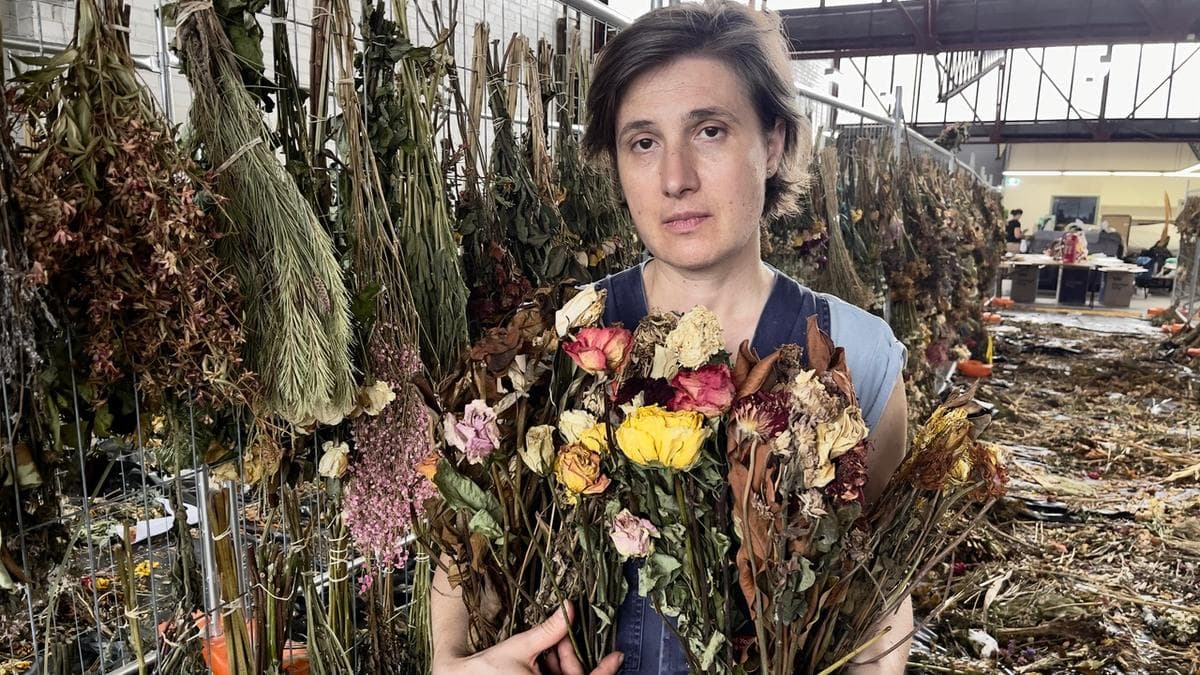
The rust-colored security barriers are still there, leaning against the polished shopfronts of Westfield Bondi Junction. They are the ghosts of a Saturday in April—silent, jarring, out of place. For weeks, they framed mountains of cellophane-wrapped flowers, teddy bears, and handwritten notes that wept in the rain. A spontaneous, heartbroken shrine to the six lives stolen and the many shattered on **April 13, 2024**.
But grief, like the ocean a few kilometers away, has its own tides. The community’s initial outpouring has now deepened into a more deliberate, more profound question: How do you memorialize a wound in a place meant for living?
The answer, it turns out, is not to build a permanent scar.
In a move that speaks volumes about the character of this beachside community, **Waverley Council**, guided by the raw, first-hand wishes of victims’ families, survivors, and the police and paramedics who were first on that blood-soaked scene, has made a decisive choice. There will be no permanent stone monument at the site of the attack. No fixed point for the trauma to crystallize around. Instead, they are cultivating memory.
They are creating a living memorial.
**‘We wanted something that breathes’**
The project, an interim floral installation at **Bondi Beach’s Doris Place**, is a conscious pivot from death towards life. Commissioned local Waverley artists are curating not with marble, but with earth. Their medium will be **native blooms and plants**—waratahs, flannel flowers, banksias—species that have evolved to thrive in this harsh, beautiful coastline. They symbolize resilience, renewal, and a specifically Australian tenacity.
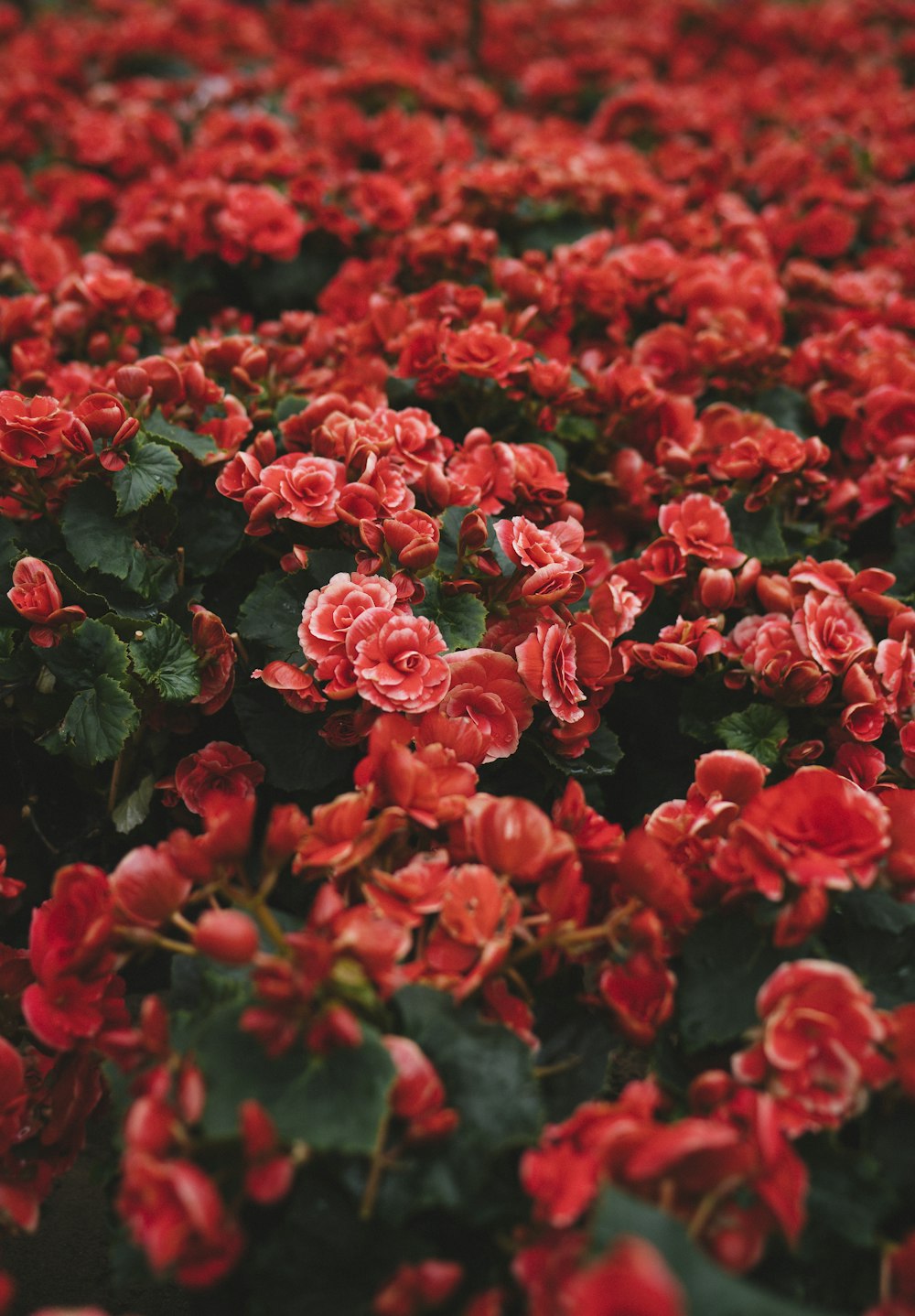
*An artist's impression of a potential floral tribute in a coastal setting. The Bondi memorial will use native flora in a dedicated space at Doris Place. [Source: Waverley Council Concept]*
The location itself is a message. By placing the memorial at Doris Place overlooking the iconic sweep of Bondi Beach, the community reclaims a space of joy and public life. It gently insists that healing should happen in the light and salt air, not anchored to the commercial interior where violence erupted.
This was not a top-down decision. Council officials spoke of consultations that were less like meetings and more like listening sessions. Families did not want their loved ones eternally linked to a shopping center corridor. Survivors and first responders sought a place for reflection that didn’t retraumatize. The collective voice was clear: the tribute must be organic, non-permanent, and focused on the living process of recovery.
**The Spontaneous Shrine Must Fade**
The council has been quietly firm about the original floral tributes at Westfield. They will not be maintained indefinitely. The message is subtle but powerful: **let the public mourning morph into a more nurtured, communal act of growth.** The dying bouquets will be respectfully removed and composted, their physical matter returning to the earth—a cycle the new living memorial will explicitly celebrate.
It is an act of profound hope. In the wake of senseless violence, the community is choosing not to erect a testament to the moment of the knife, but to cultivate a response to it. They are planting seeds—literal and metaphorical—in a shared space by the sea.
The longer-term conversations about commemoration are yet to come. But this first, floral step sets the tone. It says that in Bondi, memory will not be frozen in stone. It will be a garden that needs tending, a bloom that withers and returns, a living thing that, like the people it honors, is fragile, beautiful, and enduringly resilient.



 14:31
14:31 14:01
14:01 15:01
15:01 04:01
04:01 09:01
09:01