The Great Diaspora Divide: When Tradition Meets Choice
The Great Diaspora Divide: When Tradition Meets Choice
Author:AI News Curator
Published:February 18, 2026
Reading time3 min read
Views:1
A policy analyst's sharp critique of arranged marriage pressures sparks a fiery debate on love, duty, and the evolving definition of 'family' in the South Asian diaspora.
The pressure cooker doesn’t whistle. It hums—a low, constant frequency vibrating through plush suburban homes in New Jersey, sparkling high-rises in Silicon Valley, and sprawling subdivisions in Texas. It’s the sound of a million unasked questions, of a cultural script written generations ago meeting the blank page of a new world. For decades, the narrative was simple: the family finds, the individual consents. But now, the script is being ripped up.

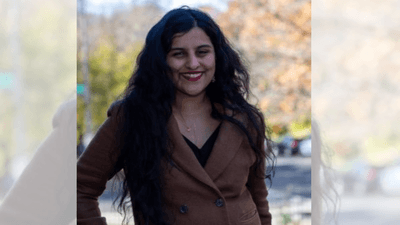
**‘Family isn’t about pleasing elders,’** declared Indian-origin policy analyst **Anjali Enjeti**, her words slicing through the polite silence that often shrouds these conversations. **‘It’s about fostering love, respect, and a shared vision for the future.’** This wasn't just a personal opinion; it was a manifesto for a generation caught between two worlds. Her commentary, a response to the evolving landscape of matchmaking in the diaspora, has ignited a long-smoldering debate.
The old model—where parents exchanged biodata and made decisions with the solemnity of a boardroom merger—is fading. In its place, a **hybrid ‘assisted marriage’** model has unfurled. Parents or platforms provide the introduction, but the final veto power rests firmly with the individuals. This shift is powered by concrete changes: the relentless pursuit of higher education and career stability has pushed the average marriage age deep into the **late 20s and 30s**. By the time family pressure intensifies, many have built independent lives, careers, and—crucially—a sense of self that is non-negotiable.
Another crack in the traditional edifice is the quiet rise of **inter-caste and inter-faith unions**. Where marriage was once a pillar of social and economic alliance, it is increasingly viewed as a private partnership, a departure from strict communal mandates that many immigrants carried across the ocean like heirlooms.
Yet, to declare tradition dead would be a profound mistake. The pressure persists—a silent soundtrack playing in the background of every family call. Expectations about a partner’s profession, family background, and perceived ‘culture fit’ remain powerful forces, creating what many describe as a **‘cognitive dissonance’**: the clash between the modern self they’ve become and the obedient child they’re expected to be.
The social pulse, as captured in community forums and media, reveals a **sharp generational divide**. Younger diaspora members champion autonomy, sharing stories of ‘love-cum-arranged’ successes and celebrating hard-won choices. Meanwhile, conservative voices warn of cultural erosion, arguing for the practical wisdom and stability of the traditional system. It’s a negotiation where every concession is measured, and every victory is personal.
Enjeti’s stance, echoed by others like gender expert Neeraja Deshpande who called for ditching the **‘stunted immigrant anti-dating mindset,’** validates a growing refusal. It reframes the question from **‘Will you obey?’** to **‘What will you build?’** The story is no longer about preserving a static past, but about authoring a dynamic future—one where respect is earned through understanding, not enforced through obligation. The great diaspora renegotiation is underway, and its terms are being written one defiant, loving choice at a time.
[Source: TIMESOFINDIA.COM](https://timesofindia.indiatimes.com)



 14:28
14:28 13:58
13:58 14:58
14:58 03:58
03:58 08:58
08:58