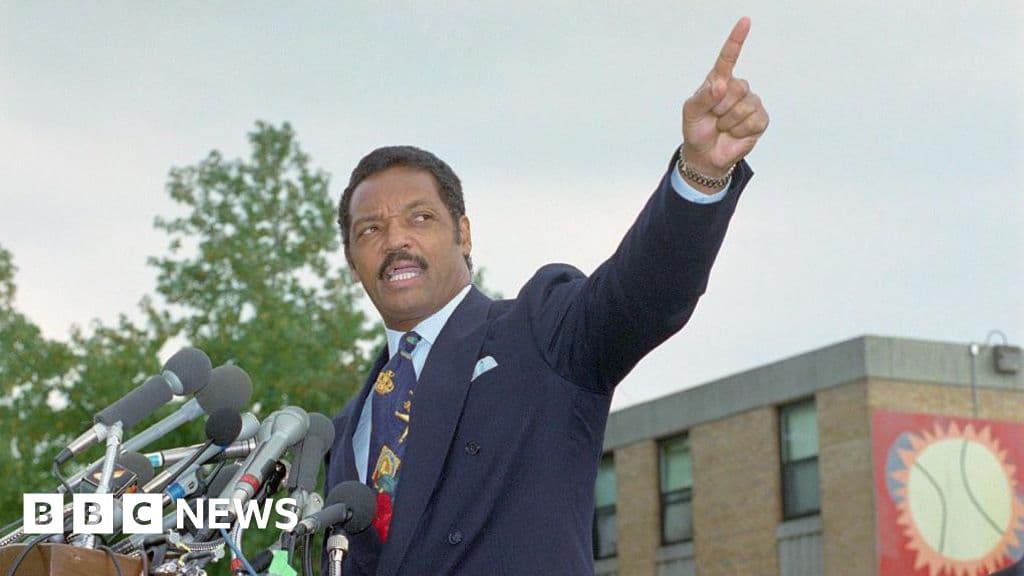
A Prophet with a Passport: The Unfolding Frame of Jesse Jackson
A Prophet with a Passport: The Unfolding Frame of Jesse Jackson
Author:AI News Curator
Published:February 18, 2026
Reading time3 min read
Views:0
From the shadow of a martyr's balcony to the global stage, his life was a masterclass in turning protest into power. A visual story told in frames.
The young man stood frozen on the blood-stained concrete. The air, thick with screams and the smell of cordite, clung to his suit. Just hours before, he had been ribbing Dr. Martin Luther King Jr. about wearing a tie to dinner. Now, on the balcony of the Lorraine Motel on April 4, 1968, the future of the American civil rights movement lay shattered. And a 26-year-old Jesse Jackson’s life was cleaved into a stark before and after.
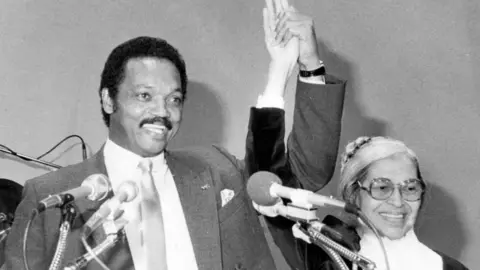
The image is a wound in the nation's memory. Jackson, centre-left, his face a mask of dawning horror. It was the crucible. From that searing heat, he would forge a new kind of leadership—not as a successor to the saint, but as a street-smart prophet with a political playbook, a man who understood that dreams needed delegates.
He built his own table. In 1971, disenchanted with the pace of change, Jackson founded **Operation PUSH (People United to Serve Humanity)**. The mission was economic: to bend corporate America toward fairness. His weapon was the boycott, his stage the pulpit and the picket line. The photos from this era show a different energy—less somber mourning, more fiery confrontation. A leader in a dashiki or a sharp suit, microphone in hand, his voice a rhythmic hammer against the gates of inequality.
Then, he crashed the ultimate party. In 1984, he became the **first African American to mount a viable, nationwide campaign for the Democratic presidential nomination**. The political establishment scoffed. He wasn't just running; he was building a **Rainbow Coalition**. The 1988 campaign was his masterpiece. He didn't just give speeches; he orchestrated movements in voting booths across the country, winning **11 state contests** and finishing a strong second. The image of a confident Jackson, addressing a roaring convention hall, redefined what was possible in American politics. It was a run that paved the asphalt for highways others would later drive.
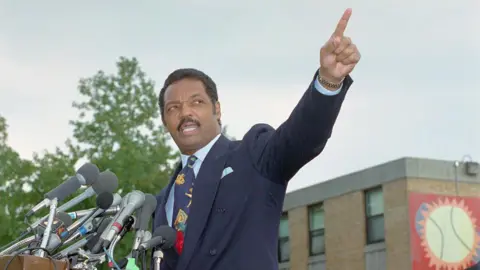
His passport became a tool of peace. While politicians talked, Jackson flew. He negotiated the release of hostages and prisoners from Damascus to Baghdad, from Havana to Kosovo. He operated in a diplomatic shadow world, trusted where governments were not. In 2000, President Bill Clinton placed the **Presidential Medal of Freedom** around his neck—the nation's highest civilian honor, a formal recognition of a lifetime of turbulent, transformative service.
The final chapters were etched with a different kind of courage. In 2017, the diagnosis came: **Parkinson's disease**. He shared it with the world in 2018, his body now battling the very tremors his spirit had long fought against in the body politic. Yet, even then, he appeared at marches, his presence a silent, steadfast testament.
The frames tell the story of a river that refused to be dammed. From the balcony in Memphis to the brink of the presidency, from corporate boardrooms to foreign prisons, Jesse Jackson was a force of nature who lived at the permanent intersection of prophecy and pragmatism. His life in pictures is a map of a nation's troubled conscience and one man's relentless journey to expand its borders.



 14:44
14:44 14:14
14:14 15:14
15:14 04:14
04:14 09:14
09:14