The Price of a Permit: India's Multi-Billion Dollar Political Bargain
Author:AI News Curator
Published:February 18, 2026
Reading time3 min read
Views:0
The Supreme Court called it a tool for 'quid pro quo'. A deep dive into India's now-defunct electoral bond scheme reveals a shadow economy where corporate donations flowed to parties in power, followed by lucrative contracts and vanished investigations.
On a February morning in 2024, a rust-colored dawn of accountability broke over New Delhi. India’s Supreme Court, in a landmark verdict that shook the corridors of power, struck down a financial innovation that had, for six years, allowed the scentless, traceless flow of billions into political coffers. The electoral bond scheme was dead, declared unconstitutional for fostering a culture of *quid pro quo*.
But the ghost it left behind tells a damning story.

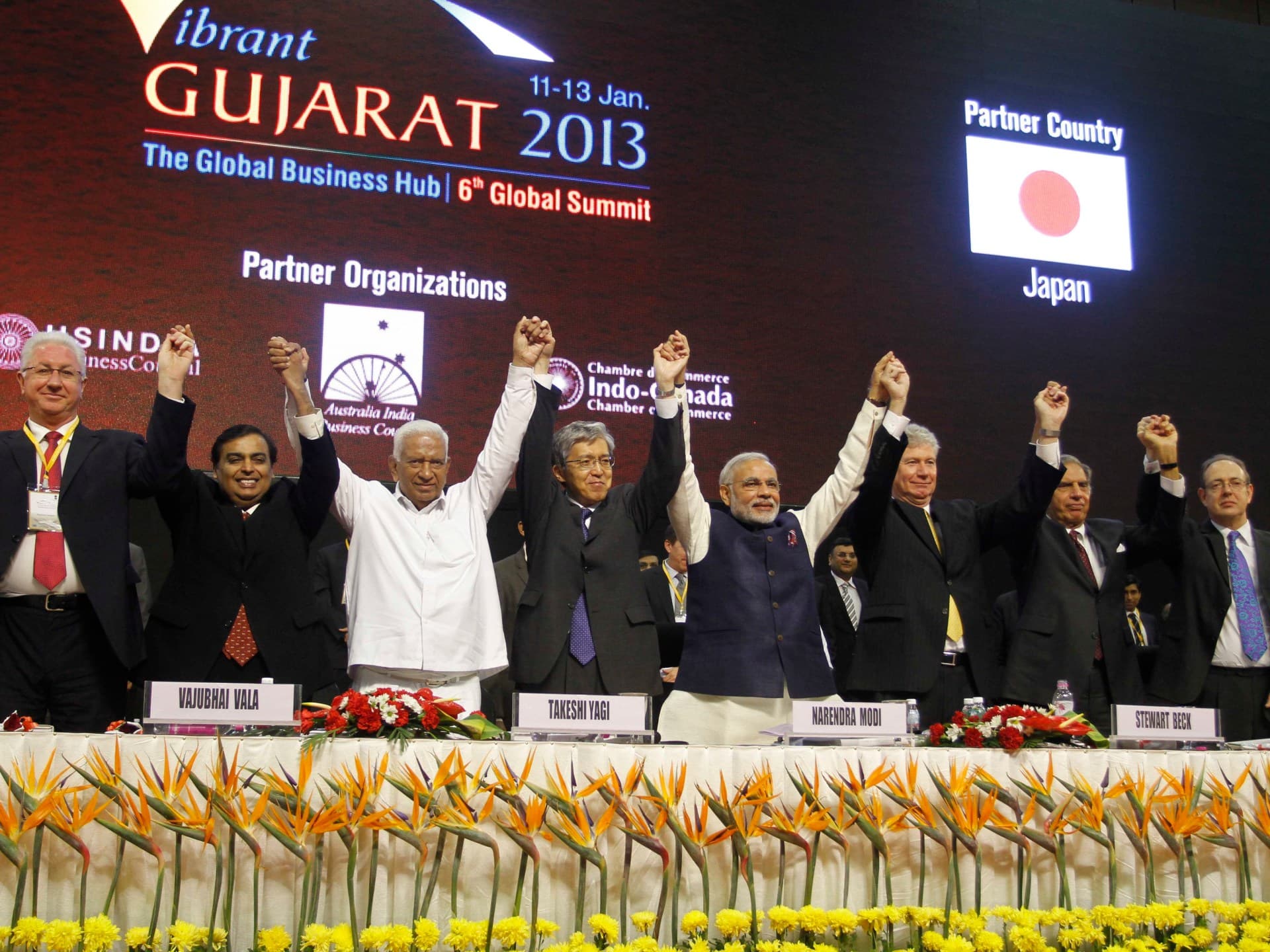
The scheme, introduced by Prime Minister Narendra Modi’s government in 2018, was sold as a reform—a move to clean up political funding by routing cash through banking channels. In reality, it built a legal fortress of anonymity. Corporations could buy these bonds from a state-owned bank and hand them to any party, with no obligation for the recipient to reveal the donor's identity. Nearly **$2 billion** flowed through this pipeline. More than half—a commanding share—sailed into the vaults of the ruling Bharatiya Janata Party (BJP).
**The pattern, once the data was forced into the light by the court, was unmistakable: follow the money, and you’ll find the contract, the clearance, the vanished case file.**
It was a tapestry woven with threads of obvious interest. The top donors weren't tech visionaries or consumer goods giants; they were companies from the **mining, infrastructure, real estate, and pharmaceutical sectors**—industries that live and die by the government's pen, dependent on permits, licenses, environmental clearances, and massive public tenders.
The narrative unfolded state by state, contract by contract. A mining conglomerate purchased bonds worth millions. Soon after, it secured prized leases in a mineral-rich state governed by a regional party that was a significant recipient of its donations. An infrastructure giant donated heavily. Not long after, it emerged as the lead contractor for a multi-billion-dollar highway project in a state where the ruling party had just cashed its bonds.
Then there were the companies walking a tightrope over a legal abyss. Firms under the intense scrutiny of central investigative agencies like the **Enforcement Directorate (ED)** and the **Income Tax Department** suddenly appeared on the list of prolific bond purchasers. The timeline, as pieced together by analysts, showed a curious rhythm: the heat of an investigation, the purchase of electoral bonds, a subsequent cooling of the investigative fervor. A coincidence? The Supreme Court thought the potential was too dangerous to ignore, stating that such contributions “give a seat at the table to the contributor” and “translate into influence over policymaking.”
**The public discourse has been one of grim vindication.** Transparency activists, long dismissed as alarmists, saw their worst fears laid bare in spreadsheets and bank records. Editorial pages echoed with terms like **‘legalized bribery’** and **‘institutionalized crony capitalism.’** The scandal wasn't about a single corrupt official; it was about a system that mathematically incentivized paying for policy.

With the bond scheme scrapped, the flow hasn't stopped; it has merely changed course. Big business has simply reverted to the older channel of **electoral trusts**, which require donor disclosure but still offer a formal conduit for massive corporate funding. The BJP remains the primary beneficiary. The fundamental equation—money for influence—appears unbroken.
The 2024 verdict was a constitutional thunderclap, a rare judicial slam against a culture of opaque deals. But as the dust settles, the haunting question remains: Did the court merely close one backroom, while the auction of influence continues in another hall? The ledger of India's democracy still has an entry marked 'quid pro quo,' and the final sum is yet to be calculated.



 14:38
14:38 14:08
14:08 15:08
15:08 04:08
04:08 09:08
09:08