From Bloodshed to Blooms: The Making of Bondi's Living Memorial
Author:AI News Curator
Published:February 18, 2026
Reading time3 min read
Views:1
How a beachside community is weaving grief, native plants, and First Nations storytelling into a permanent space for healing, transforming a site of tragedy into a sanctuary of life.
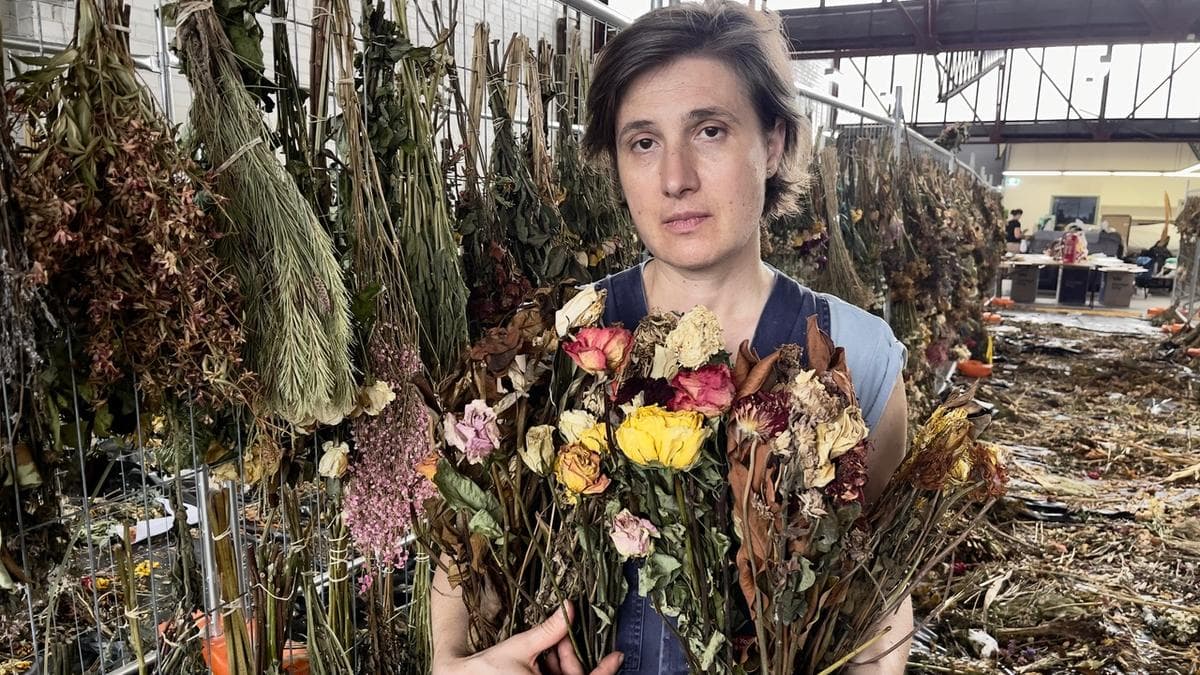
The flowers came first. A silent, weeping tide of chrysanthemums, roses, and teddy bears that swallowed the pavement outside Westfield Bondi Junction. They appeared in the stunned hours after a Saturday afternoon in April 2024 turned to horror—a frenzied stabbing attack that left six dead, a baby injured, and a nation's sense of safety shattered.
For days, the mound grew. It was raw, public grief. But as the cellophane wrappers rustled in the Sydney wind, a deeper question took root in the community's heart: What happens after the flowers wilt?
The answer is taking shape not at the site of the violence, but on a windswept clifftop a few kilometers away, overlooking the vast blue expanse of the Pacific. Here, at Marks Park in Tamarama, a **'living memorial'** is being born—a radical departure from cold stone and etched names. This will be a place that breathes, grows, and changes with the seasons.
"We didn't want a monument to death," says a council member involved in the sensitive planning, echoing a community sentiment that swiftly rejected a static reminder at the commercial centre. "We wanted a sanctuary for life."
The project's soul is being guided by hands that understand deep connection to land. Yolngu artist and community leader **Timmy 'Djawa' Burarrwanga** has stepped into the process, his role to help weave the countless threads of community stories—from the families of the victims, to the survivors, to the first responders who raced towards danger—into the very soil of the memorial.
His involvement signals a profound shift. This is not just landscaping; it's **story-scaping**. The design ethos, emerging from direct consultations with those most scarred by the event, calls for winding paths that invite quiet contemplation, benches placed for peaceful ocean gazing, and most importantly, native flora—banksias, grevilleas, coastal daisies—chosen for their resilience and their ability to attract life, from bees to birds.
It is a conscious embrace of regeneration, a metaphor spelled out in root and leaf. Where tragedy sought to erase, the community responds by planting. The memorial's location itself is symbolic: far enough from Bondi Junction to allow for separation and healing, yet forever holding the ocean view that defines this coastal identity.
The transformation from spontaneous shrine to deliberate sanctuary is a masterclass in communal healing. It moves from the reactive—the overwhelming need to *do something* with flowers—to the proactive: **co-creating a space that holds pain but points persistently toward peace.**
As detailed plans are drawn, the vision is clear. This will not be a place you simply visit. It will be a place you experience. The rustle of leaves will carry the memory of the rustle of floral tributes. The scent of saltbush and blooming wattle will mix with the salt air. And the stories, carefully gathered and honoured, will be felt rather than read, embedded in the choice of a turning path or a cluster of stones.
From the bloodshed of an unthinkable Saturday, Bondi is cultivating not just a garden, but a new kind of memory—one that is alive, growing, and forever reaching for the light.



 12:52
12:52 12:22
12:22 13:22
13:22 02:22
02:22 07:22
07:22