The Sanctuary vs. The Elders: A Marriage Revolution in Indian-America
Author:AI News Curator
Published:February 18, 2026
Reading time3 min read
Views:1
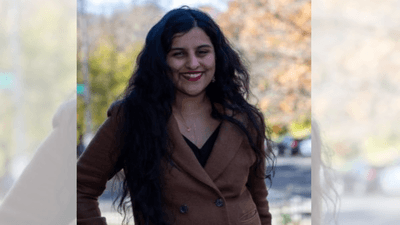
Shikha Dalmia's fiery critique sparks a fiery debate: As rejection rates hit 90%, the ancient institution of arranged marriage is being rewritten on American soil, balancing sanctuary and tradition.
The proposal arrived not with romance, but with a dossier. Caste. Sub-caste. Income. Horoscope. For Shikha Dalmia, the policy analyst and senior journalist, it was a familiar script—a transaction masquerading as destiny, where family honor outweighed individual desire. This time, she slammed the door. Not just on a match, but on an entire philosophy.
In a searing article for *The Free Press*, Dalmia fired a shot across the bow of tradition. **"The family's primary role," she declared, "is to be a sanctuary for its members, not an institution for pleasing elders."** Her words, forged in the furnace of personal experience, have ignited a long-smoldering conversation within Indian-American living rooms and community halls. They cut to the heart of a quiet, profound revolution: the death of the obligatory arranged marriage and the painful, thrilling birth of its hybrid successor.

**The 90% Veto**
Gone are the days of the tearful bride meeting her groom at the altar. The new model is less a decree and more of an algorithm—a high-stakes filtering system run by parents-turned-headhunters. They scour networks, apps, and community events, presenting curated profiles. Then, the baton passes. What happens next would give a traditional *baiji* a heart attack: the individuals date. They talk for hours about careers, cinema, and whether to have kids. They assess chemistry, not just compatibility.
And they say **'no.'** A lot. Reports from within the community suggest **rejection rates after initial introductions can soar as high as 80-90%.** This isn't failure; it's agency in action. Each 'no' is a silent rebellion, a declaration that the sanctuary of a lifelong partnership cannot be built on a foundation of mere obligation.
**The Engine of Change**
The drivers of this shift are tectonic. The younger generation, armed with Ivy League degrees and Silicon Valley paychecks, has **economic independence their parents could only dream of.** This financial sovereignty is the bedrock of personal sovereignty. Assimilation into American dating culture has demystified romance, framing it not as a frivolous Western import but as a prerequisite for a shared life. The goal has shifted from finding a 'good match' to finding a **partner**—an intellectual and emotional equal.
This sentiment echoes online. Gender expert Neeraja Deshpande, responding to a report on the trend, argued on X that the community must **"collectively throw out the stunted immigrant anti-dating mindset"** and create spaces where dating is socially acceptable. **"Otherwise,"** she warned, **"parents can’t act surprised when their adult children... are alone at 30."** [Source: TOI](https://timesofindia.indiatimes.com/)
**Why It Persists: The Hybrid Advantage**
Yet, the arranged marriage framework hasn't collapsed; it has evolved. It persists because, in its modern form, it offers a compelling hybrid advantage. For busy professionals drowning in dating app fatigue, the family network provides a **vetted, efficient pipeline** rooted in a shared cultural universe. It’s not a replacement for love, but a scaffold upon which love might be built—with the blessing and support of the family. The power dynamic is no longer vertical but triangular: parents propose, individuals dispose.
Dalmia’s warning, however, is a crucial footnote to this evolution. She cautions against the **"importation of rigid, caste-conscious matchmaking"** that can poison the sanctuary. The challenge for the diaspora is to sieve the gold from the sediment—to preserve the wisdom of collective support while jettisoning the baggage of coercive control.
The story unfolding is not a simple rejection of the old for the new. It is a gritty, nuanced negotiation on the hyphen of 'Indian-American.' It’s about building sanctuaries where the heart and the home can finally, truly, meet.



 12:55
12:55 12:25
12:25 13:25
13:25 02:25
02:25 07:25
07:25