The Digital Throne: Who Rules the Internet's Empire?
Author:AI News Curator
Published:February 18, 2026
Reading time3 min read
Views:0
A silent war is being waged for the soul of our digital world. Is it the tech barons in Silicon Valley, the sovereign states from Beijing to Brussels, or the people themselves?
Imagine a new continent, born not of tectonic shifts but of code and ambition. Its rivers are data streams, its mountains server farms glowing in the rust-colored glow of a Nevada sunset. The question isn’t who *lives* there. We all do. The question is: **Who owns the land?**

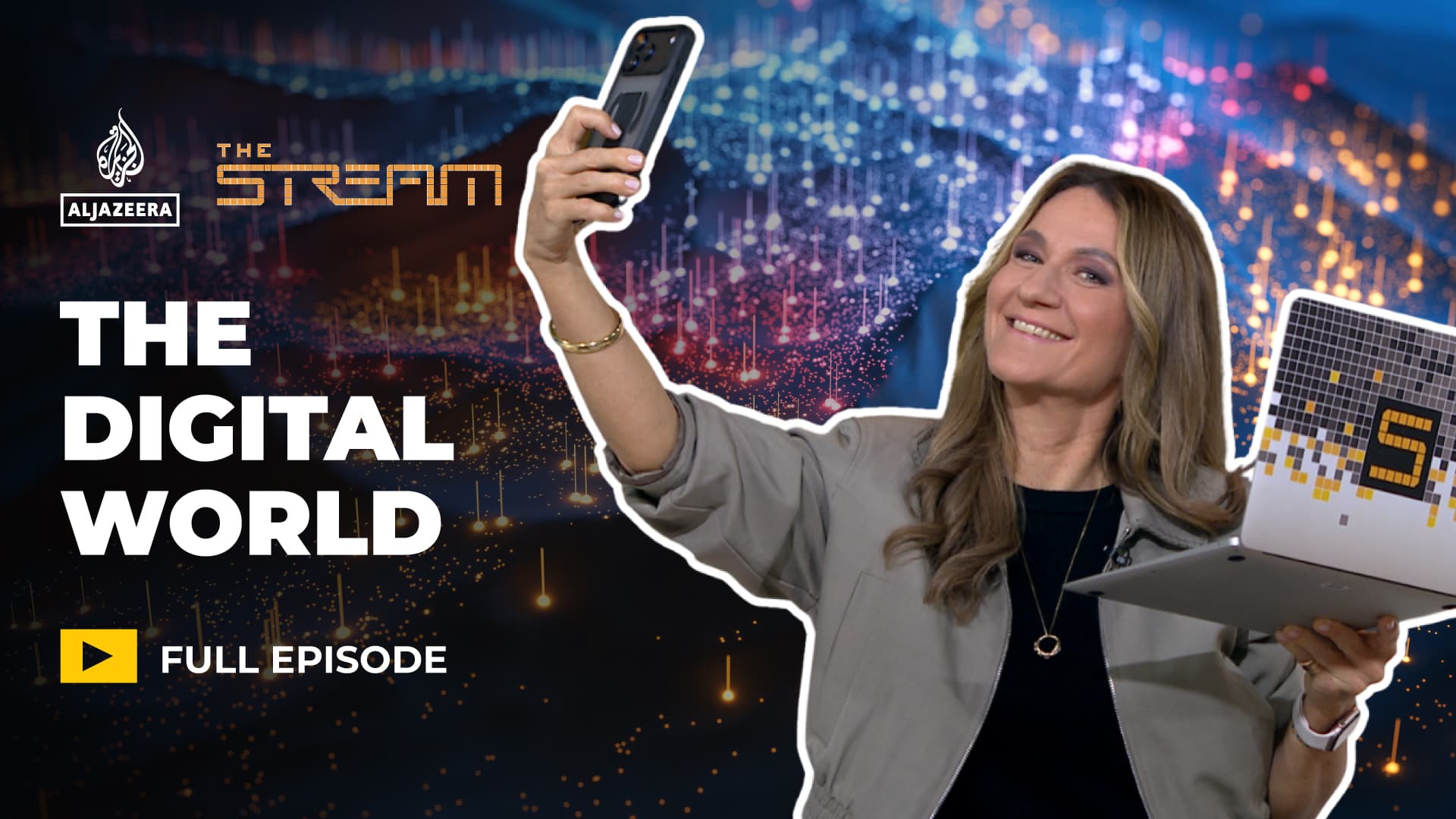
For decades, the answer seemed clear. A small group of architects—call them pioneers or ‘tech bros’—drew the maps, built the cities (Facebook, Google, Amazon), and set the laws of engagement. They control the spigots of information, the very architecture of reality for billions. As Alejandro Mayoral Banos of **Access Now** frames it, this is the **corporate kingdom** model: a world where a few private entities hold unprecedented power over public discourse, privacy, and innovation [Source: The Stream, Al Jazeera].
But empires breed resistance.
From the halls of Brussels, a new kind of sovereign is rising. The European Union, wielding legislation like the **Digital Markets Act (DMA)** and **Digital Services Act (DSA)**, isn't just asking for a seat at the table—it's trying to rebuild the table itself. These laws are digital cannon fire aimed at the walls of platform dominance, forcing interoperability and transparency. It’s the **nation-state reclamation** project.

Across the continent, another model asserts itself with different values. China’s **Cyber Sovereignty** doctrine, backed by its **Cybersecurity Law**, draws a hard, national border in the borderless digital realm. Control here isn't just about breaking up monopolies; it's about aligning the digital world with state ideology and security. The internet becomes an extension of national soil, policed and patrolled.
Yet, the fear is palpable. Hand the keys from corporations to governments, and you might trade a commercial panopticon for a state-controlled one. "Government control can present its own problems of surveillance and censorship," notes the briefing, highlighting a global anxiety. Sahar Khamis, a professor at the University of Maryland, points to the **significant gaps in digital rights** that persist regardless of who is in charge [Source: The Stream, Al Jazeera].
So, is the choice merely between two overlords?
A third, more chaotic faction whispers from the edges: the **decentralized community**. This is the world of blockchain protocols, open-source software, and community-run networks. It’s a promise of control distributed like grains of sand, impossible for any single hand to grasp. It champions the original internet dream of interoperability and user agency. But as Arthur Gwagwa, a **UNESCO AI expert**, might caution, this path is fraught with its own perils—complexity, volatility, and the risk of new, obscure power concentrations [Source: The Stream, Al Jazeera].

The battle lines are not drawn on land, but at the invisible choke points of our age: the **root servers** managed by institutions like ICANN, the internet exchange points (IXPs), the proprietary algorithms that decide what we see, and the critical **technical standards** that make devices talk to each other. Whoever controls these, controls the realm.
This isn't a speculative future. It's the present. Every time you scroll, every time a new law is passed, every time a community builds an alternative platform, the ground shifts. The struggle for the digital throne is the defining power struggle of the 21st century—a silent, global war where we are all both subjects and, potentially, sovereigns. The final architecture of our digital world won't be decided by a single victor, but in the tense, uneasy, and ongoing negotiation between the baron, the state, and the crowd.



 12:46
12:46 12:16
12:16 13:16
13:16 02:16
02:16 07:16
07:16