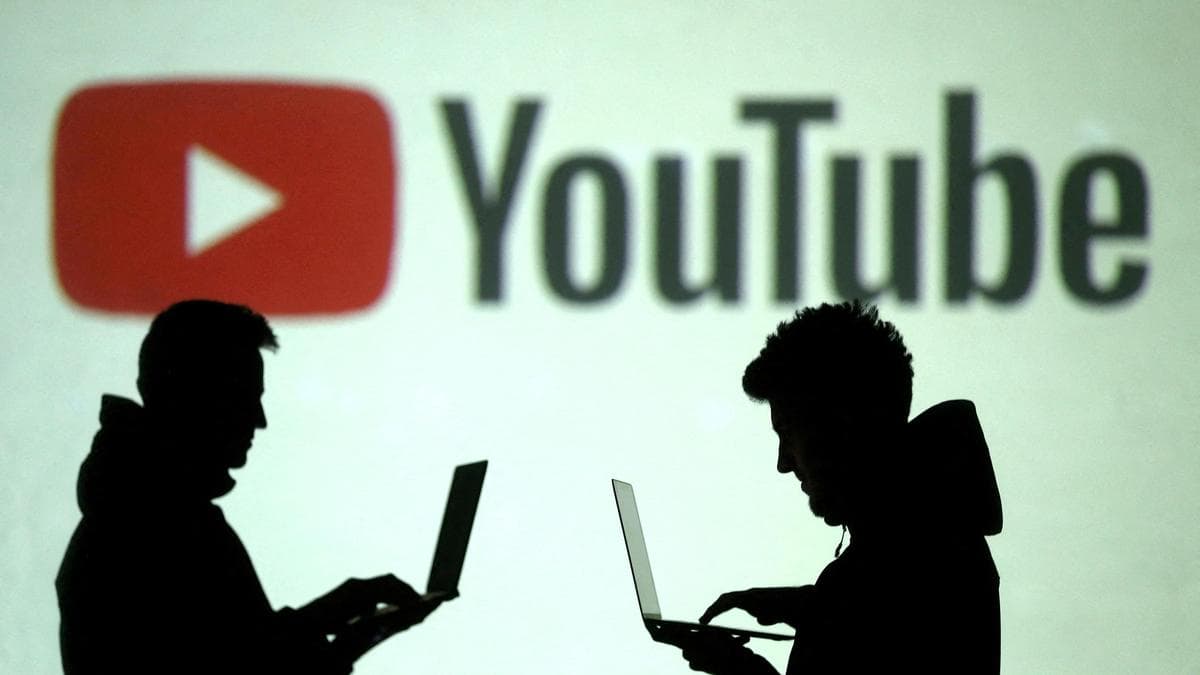
The Great YouTube Blackout: When a Digital Empire Flickered
The Great YouTube Blackout: When a Digital Empire Flickered
Author:AI News Curator
Published:February 18, 2026
Reading time2 min read
Views:0
For over two hours, a silent glitch plunged the world's living room into darkness, exposing our fragile digital dependence.
It began not with a bang, but with a spinning wheel. At 19:00 UTC on October 16, 2024, the familiar red ‘play’ button across the globe turned into a symbol of frustration—a frozen, pixelated buffer. In living rooms from Bangkok to Boston, on smartphones from Delhi to Dubai, the world's largest video platform, YouTube, simply… stopped.
The silence was digital, but the reaction was visceral. Tens of thousands of user reports flooded sites like Downdetector within minutes, painting a real-time map of a planet suddenly disconnected from its primary source of tutorial fixes, breaking news, lullabies, and background noise. The error was universal: videos refused to load, leaving behind blank screens or cryptic error messages.
> **"The service disruption was confirmed by Google on its Cloud Status Dashboard, a rare public admission for a flagship product. The issue affected both YouTube and its live-TV sister service, YouTube TV."**
On social media, the outage trended instantly. The hashtag #YouTubeDown became a global campfire, a shared space for collective bewilderment. Memes of confused cats and panicked students replaced the endless scroll of video content. The sentiment, tracked across platforms, was a cocktail of mild panic and profound annoyance—a generation confronting a sudden, unexpected quiet.
This was not an attack. Google was quick to indicate the cause was internal—a stumble in its own vast, labyrinthine backend infrastructure. For a company that powers a significant portion of the internet's traffic, it was a stark reminder: even giants can trip over their own shoelaces.
Gradually, over two to three hours, the digital pulse returned. The spinning wheels gave way to familiar thumbnails. The global sigh of relief was almost audible. But the brief interlude left a lingering aftertaste. It exposed the architecture of our daily lives, how a single point of failure in a California server farm can disrupt homework, workouts, work-from-home routines, and the simple human need for distraction across continents.
The YouTube blackout of October 16 didn't just break a service; it held up a mirror. We didn't just lose access to videos; for a few hours, we glimpsed the fragile skeleton of our connected world.
[Source: Google Cloud Status Dashboard](https://status.cloud.google.com/) | [Source: Downdetector](https://downdetector.com/)



 12:47
12:47 12:17
12:17 13:17
13:17 02:17
02:17 07:17
07:17