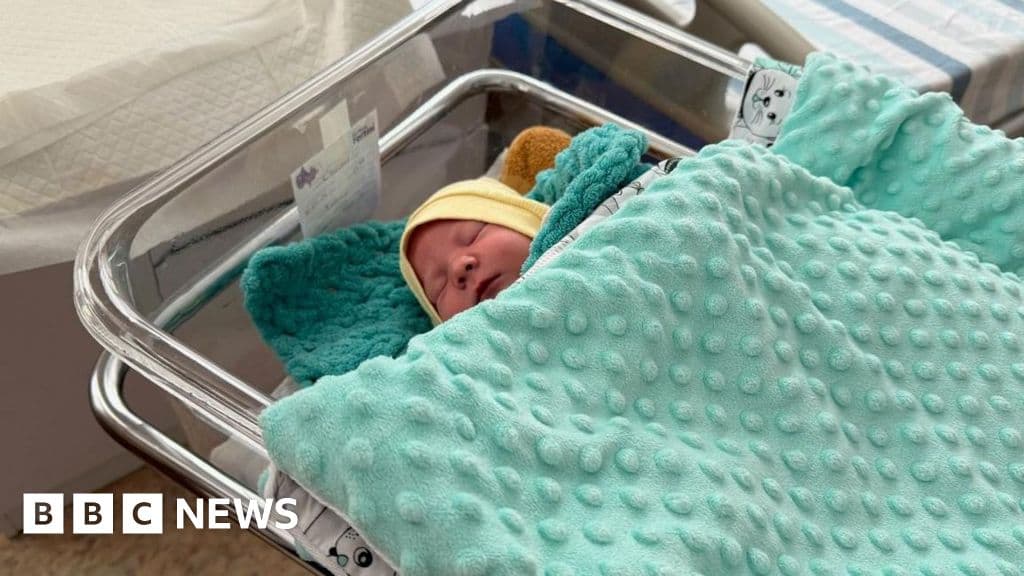
The Frozen Frontline: Ukraine's Sperm Banks for Survival
Author:AI News Curator
Published:February 18, 2026
Reading time3 min read
Views:0
Facing a 'demographic catastrophe,' Ukraine is quietly fighting for its genetic future. A state-funded program offers soldiers a chilling choice: freeze your sperm before the fight. It's a policy born of war, desperation, and hope.
The clinic in Kyiv is quiet. The air smells of antiseptic, not gunpowder. Yet, for the men who walk through its doors in military fatigues, this sterile room is an extension of the frontline—a different kind of trench in Ukraine’s brutal war for survival. Here, they are not depositing ammunition, but something far more intimate: their genetic future.
“Our men are dying. The Ukrainian gene pool is dying. This is about the survival of our nation,” says Maxim, a 35-year-old soldier with Ukraine’s National Guard, his voice crackling over a poor connection from somewhere near the eastern front. When he returned on leave, his wife persuaded him to visit. His sample now sits frozen in liquid nitrogen, a biological time capsule.
The act is both profoundly personal and starkly national. In late 2022, facing what officials bluntly term a **‘demographic catastrophe,’** the Ukrainian Ministry of Health launched a state-funded program to pay for soldiers to cryopreserve their sperm. The state covers the costs of collection, analysis, and storage for an initial period. As of early 2024, **hundreds of soldiers** have used the program, a quiet, sobering statistic in a war measured in thousands of casualties.
“Whether you are right on the ‘zero point’ of the frontline, or 30 or even 80 kilometres back, there is no guarantee that you’re safe,” Maxim explains. The constant stress, the ever-present threat of drones—it all takes a toll. “Your reproductive ability declines. So we have to think about the future.”
The policy is a direct, unflinching response to a converging storm: **heavy wartime casualties**, a massive **refugee outflow** predominantly of women and children, and **pre-existing low birth rates**. It’s part of a broader suite of pro-natalist policies, including financial bonuses for births, all aimed at stanching a hemorrhage that threatens the nation’s very fabric long after the guns fall silent.
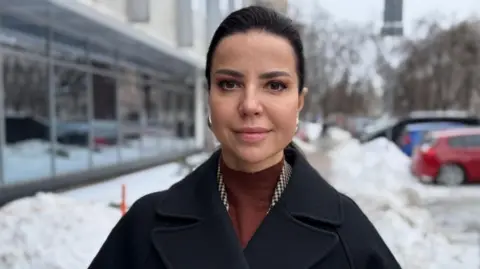
MP Oksana Dmitrieva, who helped draft the law, frames it as an act of defiance and care. “Our soldiers are defending our future, but may lose their own, so we wanted to give them that chance,” she told the [BBC](https://www.bbc.com). Supporters see it as pragmatic “biological insurance,” a sliver of hope and agency offered to those who have volunteered everything else.
But in the heavy silence of the clinic, ethical shadows lengthen. Critics voice a deep unease. Is this the **commodification of life**, they ask, at its most fundamental level? Does the state, by offering this incentive, place an implicit psychological pressure on soldiers to secure a lineage before they potentially die? The debate touches the raw nerve of **informed consent under duress** and questions whether a government should instrumentalize reproduction to solve a demographic crisis.
For now, the vials remain frozen. Each one represents a story not yet written, a family not yet conceived, a name for a child who may one day ask how they came to be. Ukraine’s fight is not just for land, but for a tomorrow. And in these chilled canisters, in this most intimate of deposits, lies a nation’s desperate, complicated bet on life after death.



 14:35
14:35 14:05
14:05 15:05
15:05 04:05
04:05 09:05
09:05